Which Vehicle Is Most Profitable for Delivery Work?
Compare vehicle cost per mile, fuel or charging, maintenance, insurance, depreciation, and delivery mileage to find the most profitable vehicle for your work.
By TRUE Driver Profit · October 7, 2026
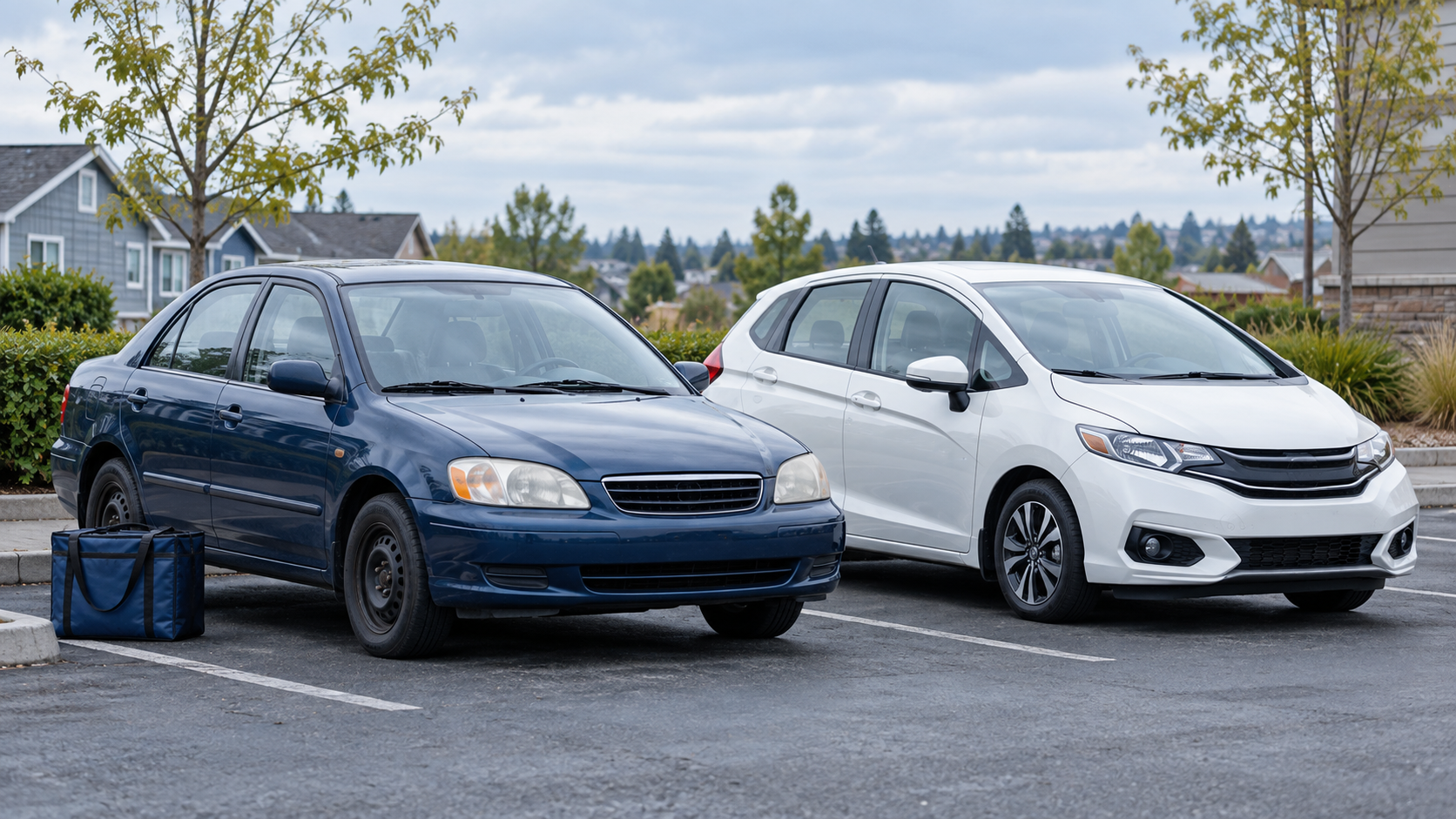
There is no universal most profitable vehicle for delivery work. The best choice depends on your local routes, delivery requirements, and what you already own. For many drivers, keeping a reliable vehicle they already own is more profitable than buying a newer one just for gig work. Better fuel economy helps, but it cannot automatically make up for a larger purchase price or financing commitment.
Compare the same delivery work, not just fuel economy
Start with your own work pattern. How many miles do you drive each year for deliveries, including approach, return, and repositioning miles? How much is stop-and-go city driving versus steady highway driving? A vehicle that works well on one route may be awkward or expensive on another.
Use the same annual delivery miles and comparison period for every vehicle. Include the space and ground clearance your work actually needs. A small car may be economical but unsuitable for bulky orders; a larger vehicle may carry them comfortably but use more fuel on every other trip.
Build an estimated operating cost per mile
For this comparison, estimated operating cost per mile means an all-in planning figure, not just fuel or the non-fuel Vehicle Cost per Mile setting in TRUE Driver Profit. Build it from these parts:
- Fuel or charging: Divide local fuel price per gallon by expected miles per gallon. For electric vehicles, multiply energy use per mile by the charging price, allowing for charging losses.
- Tires and maintenance: Spread expected tire replacement, scheduled service, and repair allowances across the miles you expect to drive.
- Insurance: Obtain a quote that accounts for your delivery work. Allocate a consistent business-use share instead of comparing one vehicle's full policy with another's partial policy.
- Depreciation and financing: Allow for expected loss in vehicle value and financing interest over the same period. Do not add full loan principal payments on top of depreciation; that can count the purchase twice.
Keep affordability separate from this comparison. Your monthly payment still matters for cash flow, even though loan principal is not an additional operating expense when depreciation is already included.
A hypothetical comparison on equal miles
Hypothetical example—not typical real-world costs: Assume both vehicles complete 20,000 delivery-work miles in one year. The following allowances include only the consistently allocated delivery-work share. They are invented planning assumptions, not model-specific estimates or quotations.
- Vehicle A, already owned: Fuel $0.14 per mile, tires/maintenance/repair allowance $0.08, allocated insurance $0.04, and depreciation/financing interest $0.06. Total: $0.32 per mile.
- Vehicle B, newer and more efficient: Energy $0.08 per mile, tires/maintenance/repair allowance $0.06, allocated insurance $0.05, and depreciation/financing interest $0.18. Total: $0.37 per mile.
Annual delivery miles × estimated operating cost per mile = annual vehicle cost for delivery work. Vehicle A: 20,000 × $0.32 = $6,400. Vehicle B: 20,000 × $0.37 = $7,400. Under these assumptions, B saves on energy but costs $1,000 more overall. Different local prices, reliability, or resale assumptions could change the result.
Check reliability and the expenses your estimate can miss
A cheap vehicle is not necessarily a good value if it repeatedly keeps you off the road. Review its service history, likely repairs, parts availability, and the effect of downtime on your ability to work. Keep a repair reserve; an average per-mile allowance will not pay a large repair bill unless you actually set money aside.
For an electric vehicle, consider home charging access, public charging prices, charging time, and whether range suits your routes. For any vehicle, use FuelEconomy.gov for model-specific efficiency information, then check it against your own receipts and driving records. Published efficiency is a starting point, not a promise about your delivery route.
Keep vehicle estimates separate from tax deductions
The IRS standard mileage rate is a tax-method figure, not your vehicle's actual cost per mile. Do not substitute it for the comparison above or assume all delivery-work miles qualify for a deduction. Read the current rules for your circumstances.
A practical pre-purchase checklist
- Price the same annual work miles for your current vehicle and each alternative.
- Get insurance, financing, and inspection information before committing.
- Check cargo fit, clearance, reliability, repair reserves, and downtime.
- Test less optimistic energy, repair, and resale assumptions.
- Ask whether keeping your current reliable vehicle leaves more profit.