Do Delivery Drivers Have to Pay Self-Employment Tax?
Delivery drivers who work as independent contractors may owe self-employment tax. Learn what that means, what income counts, and why your real profit matters at tax time.
By TRUE Driver Profit · September 13, 2026
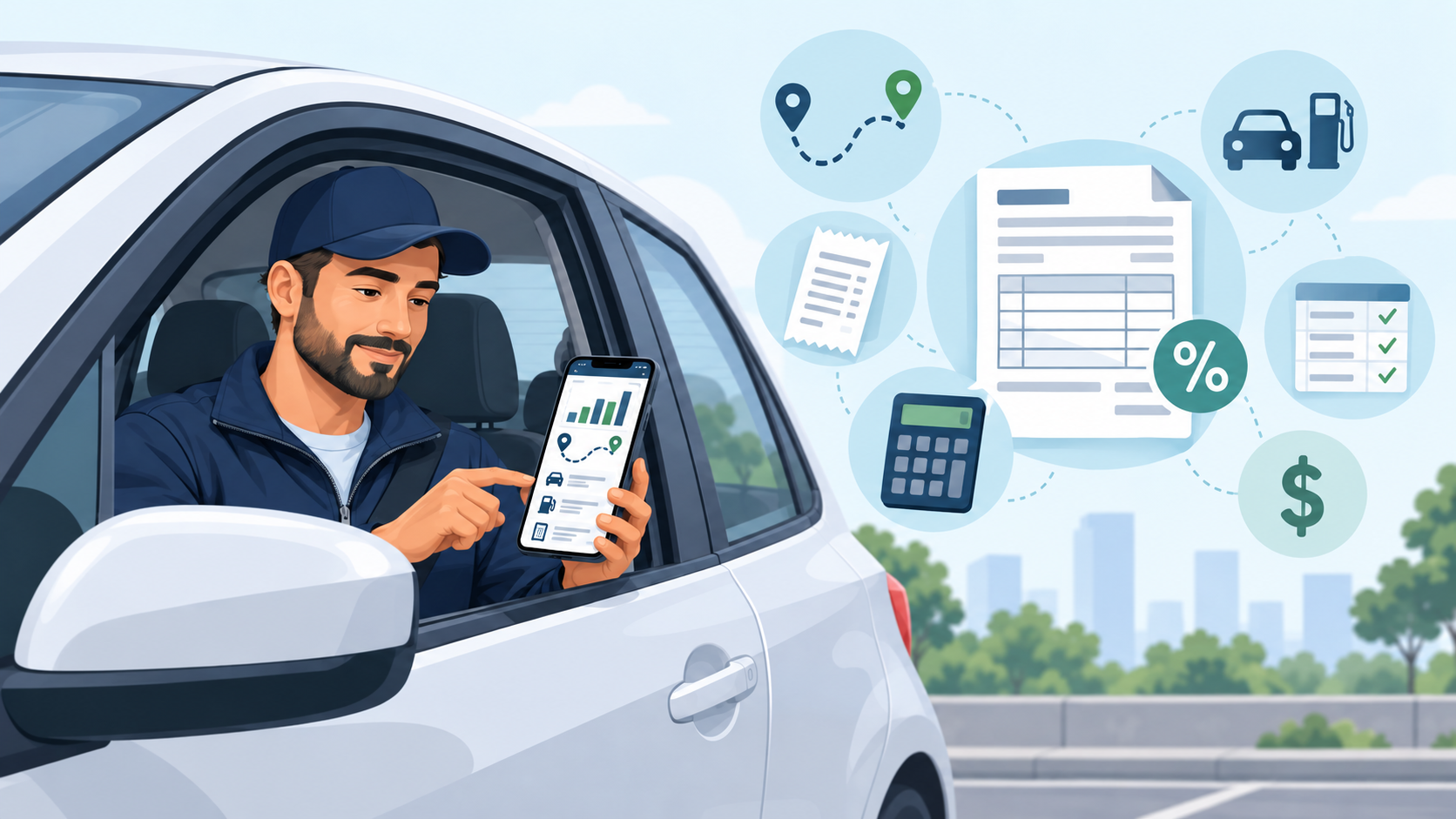
Delivery drivers who work as independent contractors are responsible for more than just tracking what they earn. Taxes work differently when you are self-employed, and one of the biggest differences is self-employment tax. Understanding how it works can help you avoid surprises and keep a clearer picture of what you actually earn from delivery work.
Do delivery drivers pay self-employment tax?
Many delivery drivers are treated as independent contractors rather than employees. That means taxes usually are not automatically withheld from each payment the way they would be from a traditional paycheck. If you have net earnings from self-employment, you may owe self-employment tax in addition to regular income tax. The important number is not simply how much money your delivery apps paid you. What matters is your taxable profit after legitimate business expenses are taken into account.
What is self-employment tax?
Self-employment tax helps cover Social Security and Medicare taxes for people who work for themselves. Traditional employees normally split these taxes with their employer. Independent contractors generally handle both sides themselves through their tax return. That is one reason a delivery driver should not look at gross earnings and assume that entire amount is spendable income.
Gross earnings are not the same as profit
Gross earnings are the total amount you were paid before expenses. Your business profit is what remains after eligible business expenses are deducted. For a delivery driver, those expenses may include vehicle costs, mileage-related expenses, supplies, phone expenses, and other costs connected to earning delivery income. Your actual tax situation depends on your individual circumstances, so accurate records matter.
Self-employment tax is different from income tax
Self-employment tax and income tax are not the same thing. A driver may owe both. Income tax is based on taxable income and your overall tax situation. Self-employment tax is connected specifically to earnings from self-employment. That means simply setting aside money for taxes without understanding what those taxes include can make planning difficult.
Delivery income can affect more than one tax calculation
Delivery income may affect federal income tax, self-employment tax, state income tax depending on where you live, and estimated tax payments during the year. This is why keeping accurate records throughout the year is much easier than trying to reconstruct everything at tax time.
Why your delivery expenses matter
Expenses can affect how much of your delivery income is actually considered profit. Suppose you earned $1,000 from delivery work. That does not necessarily mean you earned $1,000 in profit. You may have driven hundreds of miles, purchased fuel, used your vehicle, paid for supplies, or incurred other business costs. Those costs matter.
Mileage can be one of your biggest records
Delivery drivers can put significant mileage on their vehicles. That is why keeping accurate mileage records is so important. You should know how many business miles you drove and be able to separate business driving from personal driving. Return miles, dead miles, and other unpaid business driving can also affect your real driving costs even when an app does not pay you for those miles. Tracking mileage consistently gives you a clearer picture of both your business activity and your TRUE profit.
What records should delivery drivers keep?
Good records make tax time easier and can also help you understand whether your delivery work is actually profitable.
Earnings
Keep records of the money you receive from each delivery platform. Do not rely only on what hits your bank account. Platform statements and annual tax forms can help you compare totals.
Business mileage
Keep a consistent record of your business driving. That can include driving to pickups, customer deliveries, eligible return driving, and other business-related mileage.
Vehicle and business expenses
Depending on the tax method you use and your individual situation, it can also be helpful to track expenses such as fuel, maintenance, tires, repairs, insurance, phone expenses, and delivery supplies. Not every expense will necessarily be deductible, but keeping the records gives you the information needed to determine what applies to your situation.
Do delivery drivers need to make quarterly tax payments?
Some self-employed workers may need to make estimated tax payments during the year. These payments are generally used to cover taxes that are not being withheld from a paycheck. Whether you personally need to make estimated payments depends on your income, deductions, other household income, credits, and overall tax situation.
Do not wait until tax season to think about it
One common mistake is waiting until the end of the year before looking at taxes. A better approach is to keep track of your earnings, expenses, and profit throughout the year. That gives you time to prepare instead of discovering a large tax bill after the year is already over.
Focus on profit, not just what the apps paid you
Taxes are another reason delivery drivers should pay attention to profit rather than gross earnings. A week that shows $800 in app payments may look great at first. But that number does not tell you how much you spent to earn it. Miles, fuel, vehicle wear, maintenance, time, and taxes all affect what you actually keep. Looking at TRUE profit gives you a better picture of whether your delivery work is actually worth it.
Better records lead to better decisions
Tracking your numbers is not only useful at tax time. It can help you decide which offers are worth taking, which areas are costing you too many miles, whether your earnings are improving, how much your vehicle is costing you, and whether your delivery work is actually profitable. The goal is not just to know how much you were paid. The goal is to understand how much you truly kept.
Related reading
How Much Should Delivery Drivers Set Aside for Taxes?
How to Track Mileage for Delivery Drivers
How Much Do Delivery Drivers Actually Make After Expenses?
How to Review Your Delivery Profit at the End of the Week
Delivery Driver Profit Guide
This article is for general educational information and is not tax advice. Tax rules can vary based on your individual situation. Consider speaking with a qualified tax professional about your specific circumstances.